A conversation with Luis Barros, general manager of Saraiva + Associados, on three decades of housing, a global crisis, and what it means to test technology like architects.
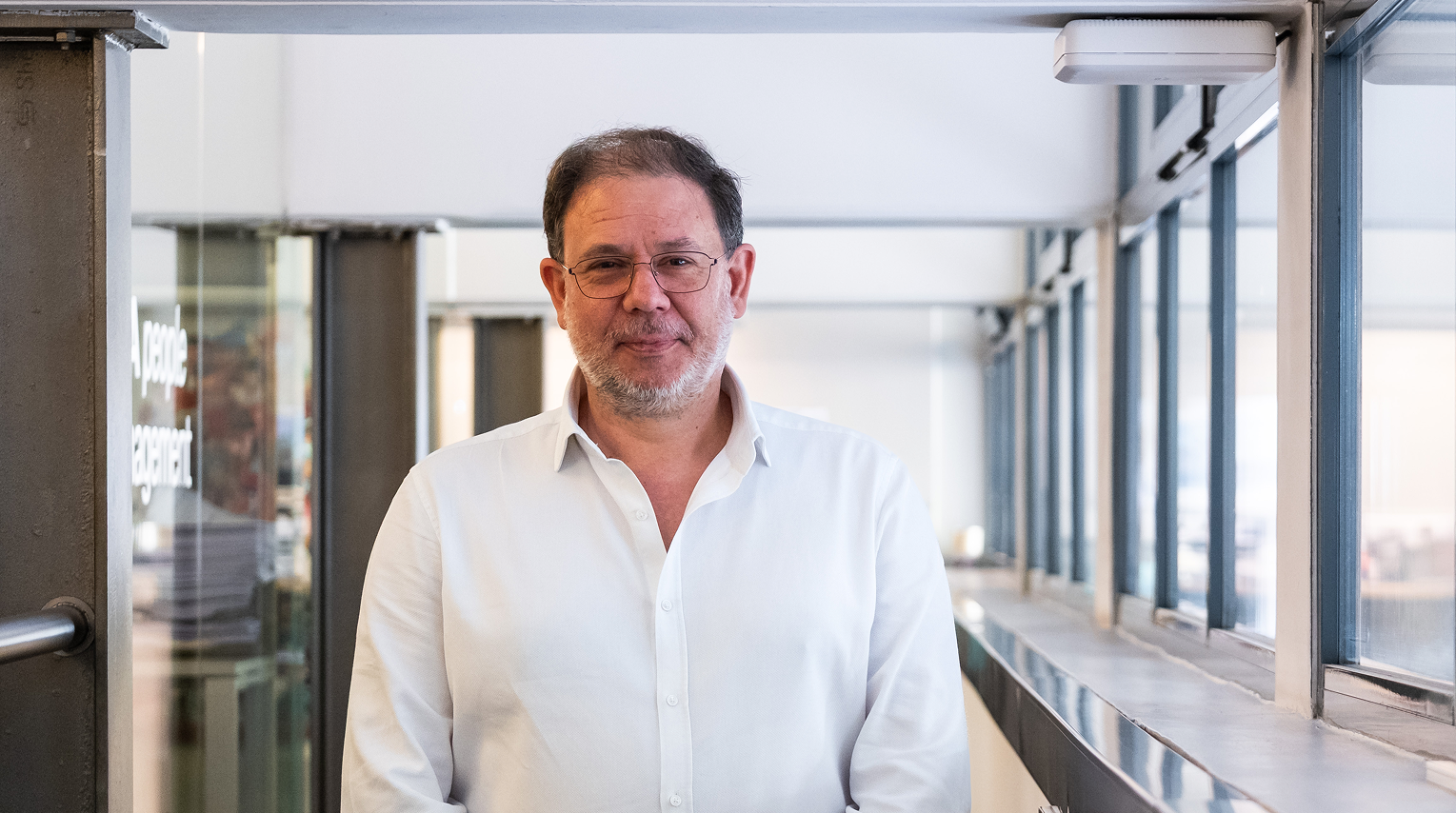
"We design something that can be built and can be used," says Luis Barros. "That's always the objective."
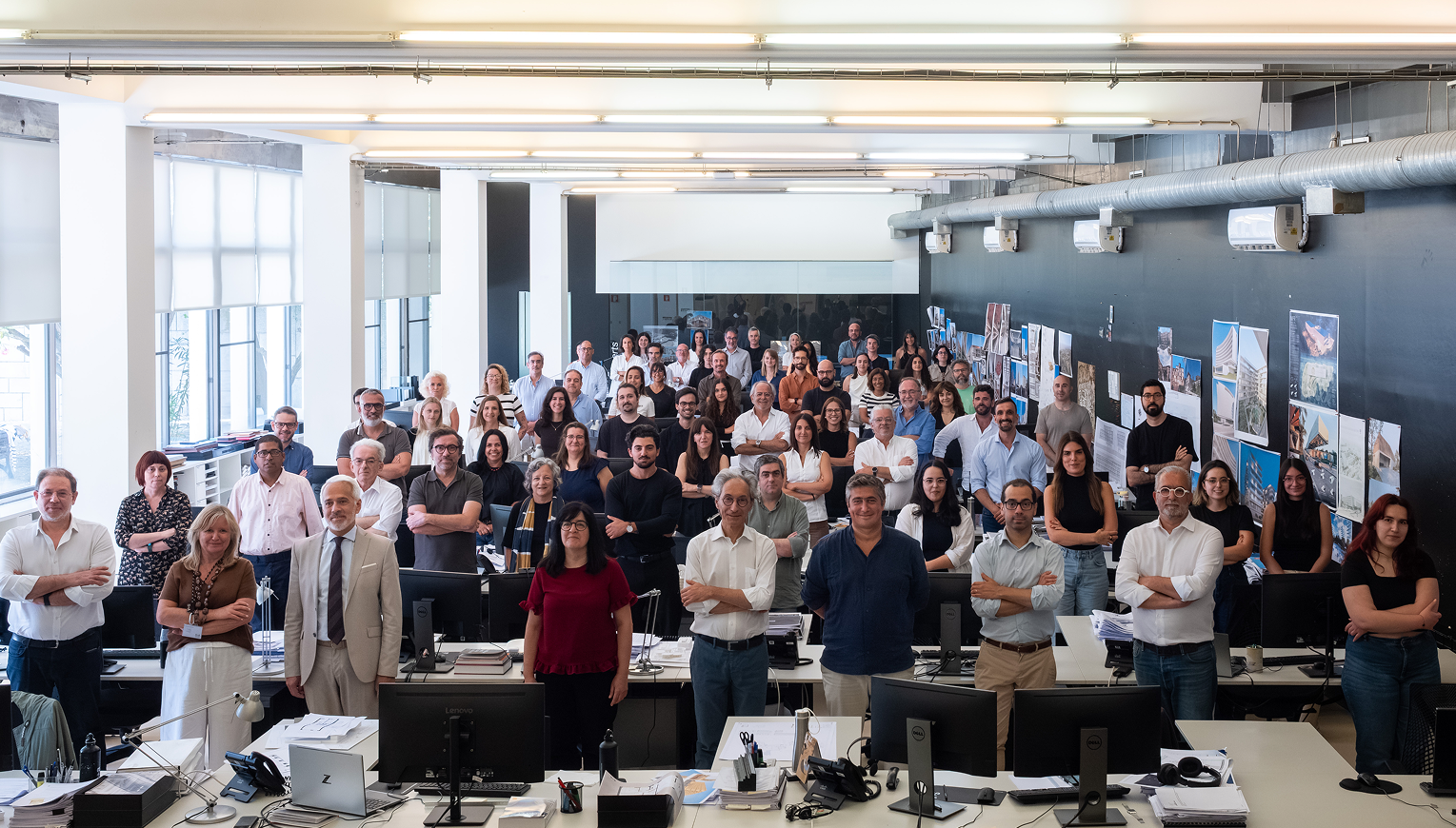
Barros has spent almost 25 years at Saraiva + Associados, Portugal's largest architecture studio, moving from architect to general manager of a practice of around 100 people working across residential, healthcare, and commercial projects.
The studio's early years were defined by housing commissioned by contractors, fixed budgets, no room for excess. The response wasn't to accept those limits but to work harder within them.
"We needed to design within very strict budgets," says Barros. "But we didn't want to do what a contractor would typically do.
The solution was form over detail. Buildings shaped by massing, designed to control light and shadow rather than rely on surface expression. "We use the massing to treat the sun, the shadow, and bring the light into the interior," he explains. That discipline carried the studio into offices, healthcare, and large-scale public buildings.
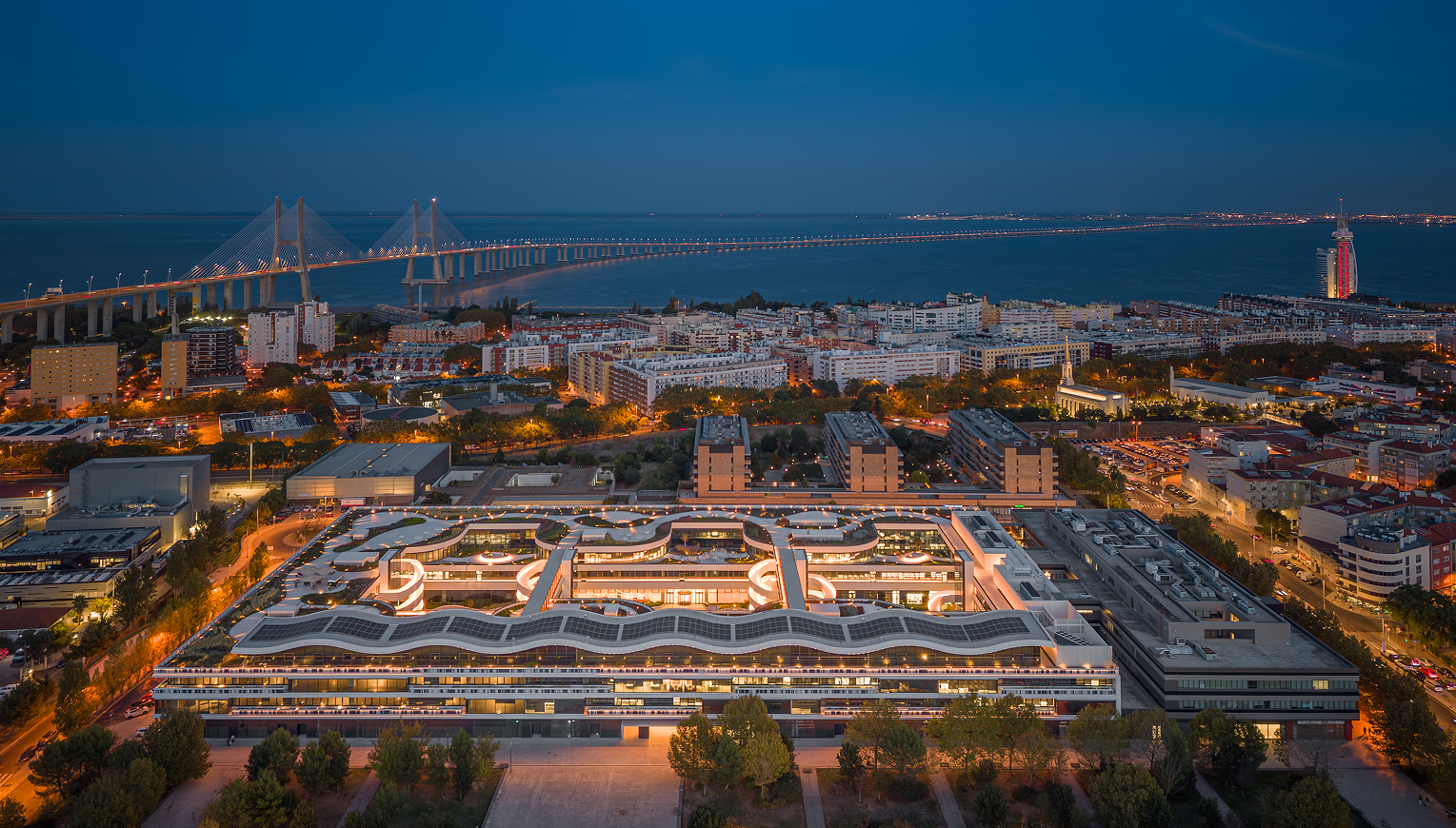
Today, the studio finds itself back where it began. Portugal, like much of Europe, is facing an acute housing shortage, and Saraiva + Associados has returned to residential work. After 20 years, however, the studio now operates at a more conceptual and detailed level, while keeping the rational approach.
"There are two different types of housing now," says Barros. "One is very practical — energy efficient, strict budget, needs to work. The other is high-end, with completely different expectations."
The split reflects a wider pressure on the Portuguese market. Demand from international buyers has driven prices upward, leaving ordinary residents increasingly unable to access housing in their own cities. Barros has seen the same pattern in Los Angeles, where the studio opened an office.
"Normal people like me cannot buy a house," he says plainly.
"Our architecture can answer both programmes without problem," he adds. "We have that experience."
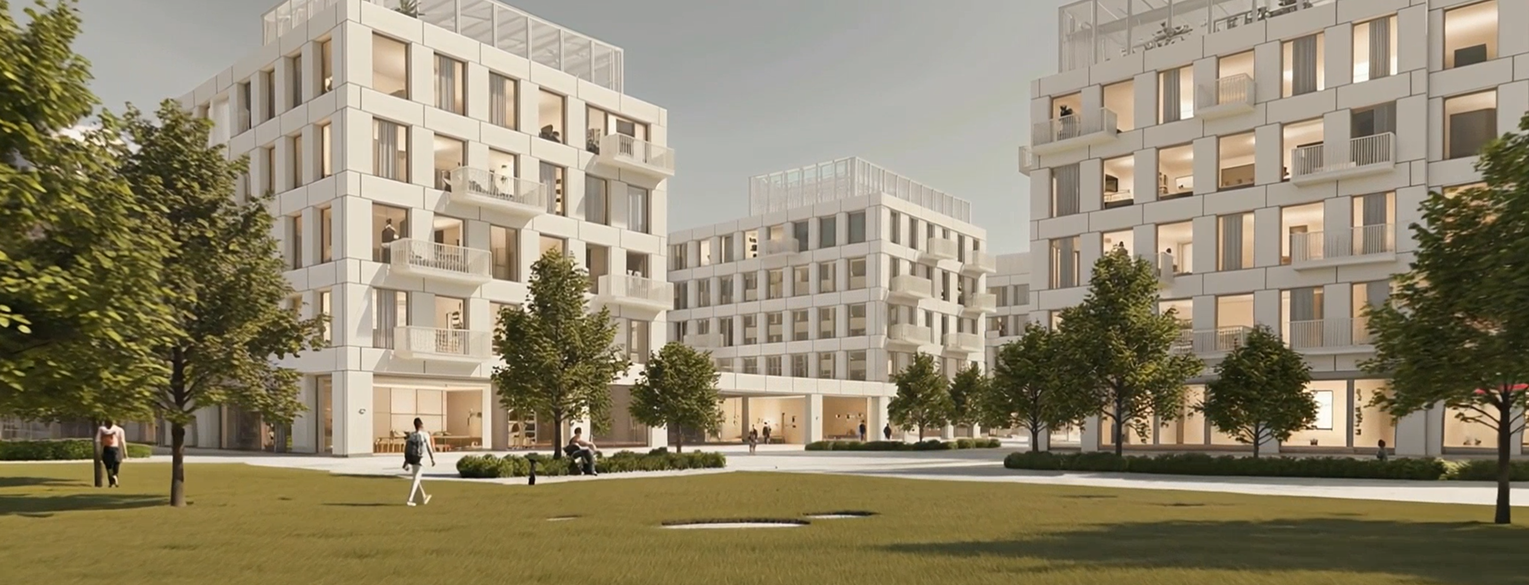
When the practice decided to explore AI tools in 2024, it approached the process the way it approaches design — methodically, with clear criteria and a willingness to reject what doesn't work.
Twelve architects were assigned to an internal investigation programme. An advisory board was assembled — not from within architecture, but from adjacent fields: professors, lawyers, technology investors, business advisors. Their role was to teach the team how to run a proper process of inquiry.
"We are architects," Barros says. "We have a pencil and paper. We don't know how to do this. So they taught us how to follow a process of investigation."
Teams identified tools, ran structured tests, and produced reports. Then they did it again. The first results with generative image tools were not encouraging.
"In the beginning, it became something completely wild and different," he recalls. "The team were becoming a little sad about it."
The problem wasn't technical. It was conceptual. For Saraiva + Associados, the architectural idea is not something that can be separated from the form. Change the shape and you risk voiding the project entirely.
"It's not just the geometry," Barros explains. "It's the concept
behind it."
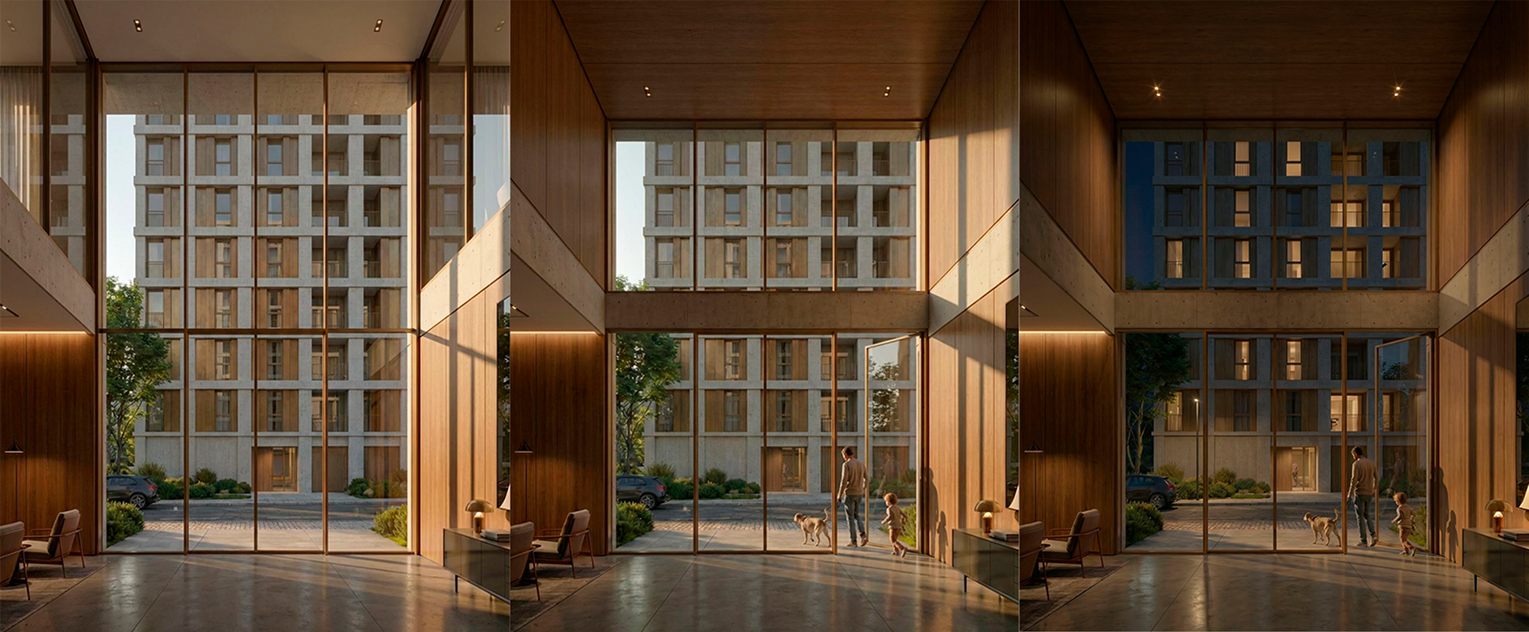
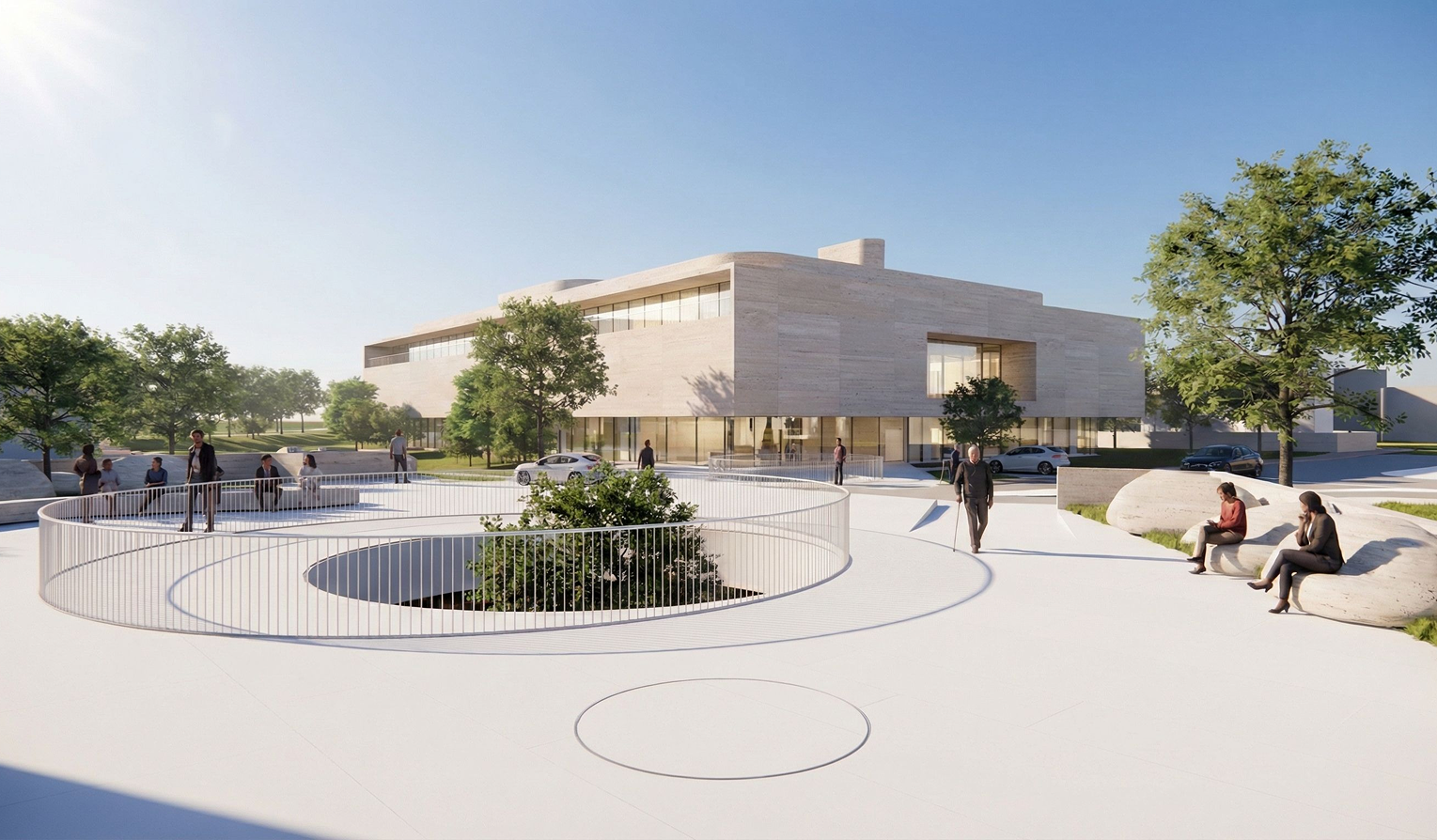
The search for tools that respect rather than override the design idea eventually led the team to Visoid. What distinguished it was straightforward: it followed the model rather than transforming it.
"Architects want their concept to be kept as they explore it," says Barros. "That's what we tested, and that's what it does."
The studio currently has three teams working with Visoid, and has identified two distinct points in the workflow where it adds value. The first is early in the process, where quick spatial and material variations can be explored before the design is resolved.
The second is less obvious, and Barros considers it equally important. Late in a project, when a client raises concerns about cost and asks to explore material changes, the team already has a detailed Revit model — but no quick way to show what those changes would look like.
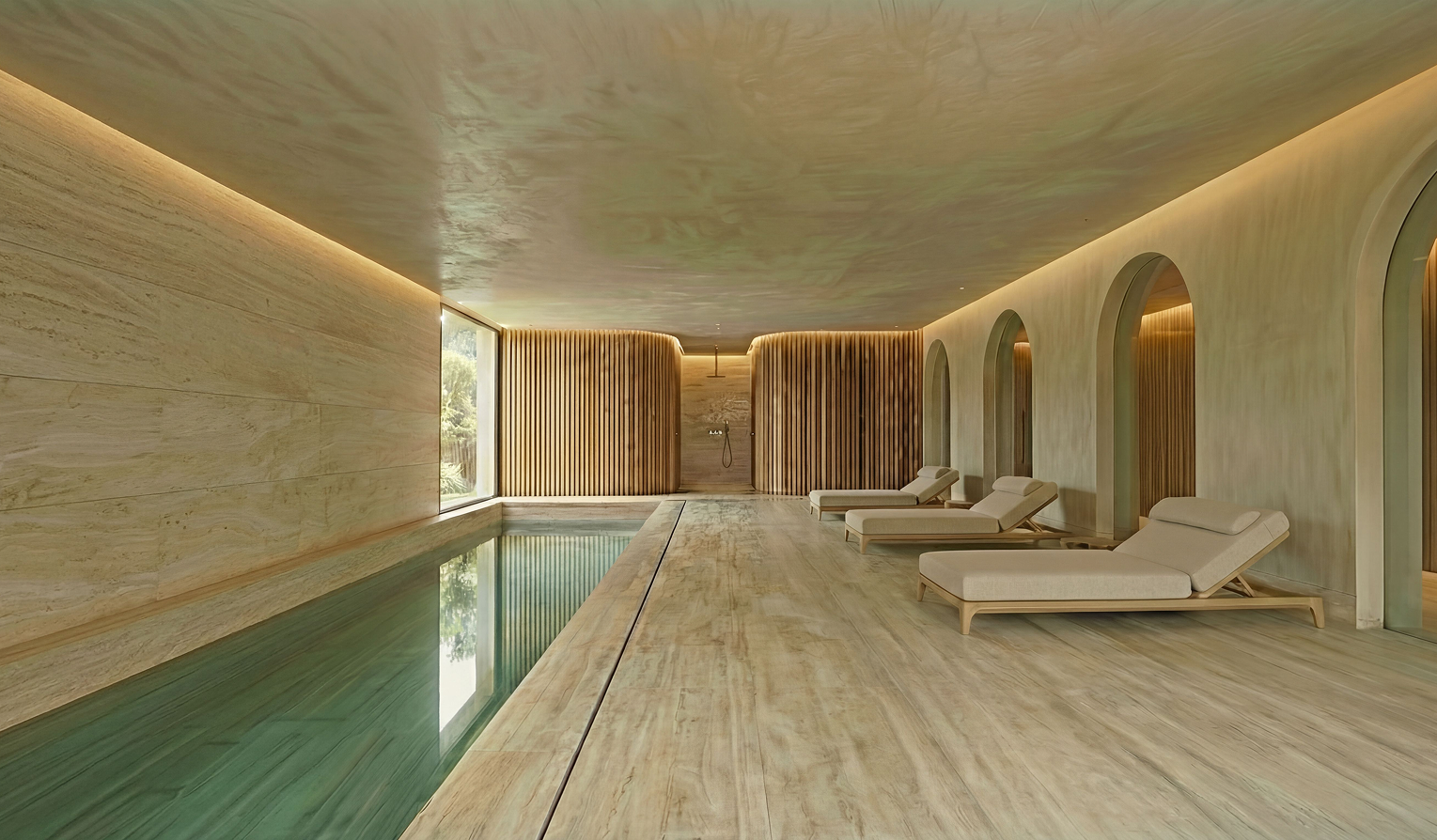
"We could model everything," he says, "but we couldn't test the looks properly."
Visoid fills that gap. Existing models can be used directly to explore material and color alternatives, and the results can be shown to clients in real time.
"You are in a dialogue," he explains. "You can show directly what happens if something changes — and that can defend your architectural design."
The studio continues to subcontract commercial renders for final presentation, as it has for years. Visoid sits in the middle: fast enough for internal testing, accurate enough to use in client conversations.
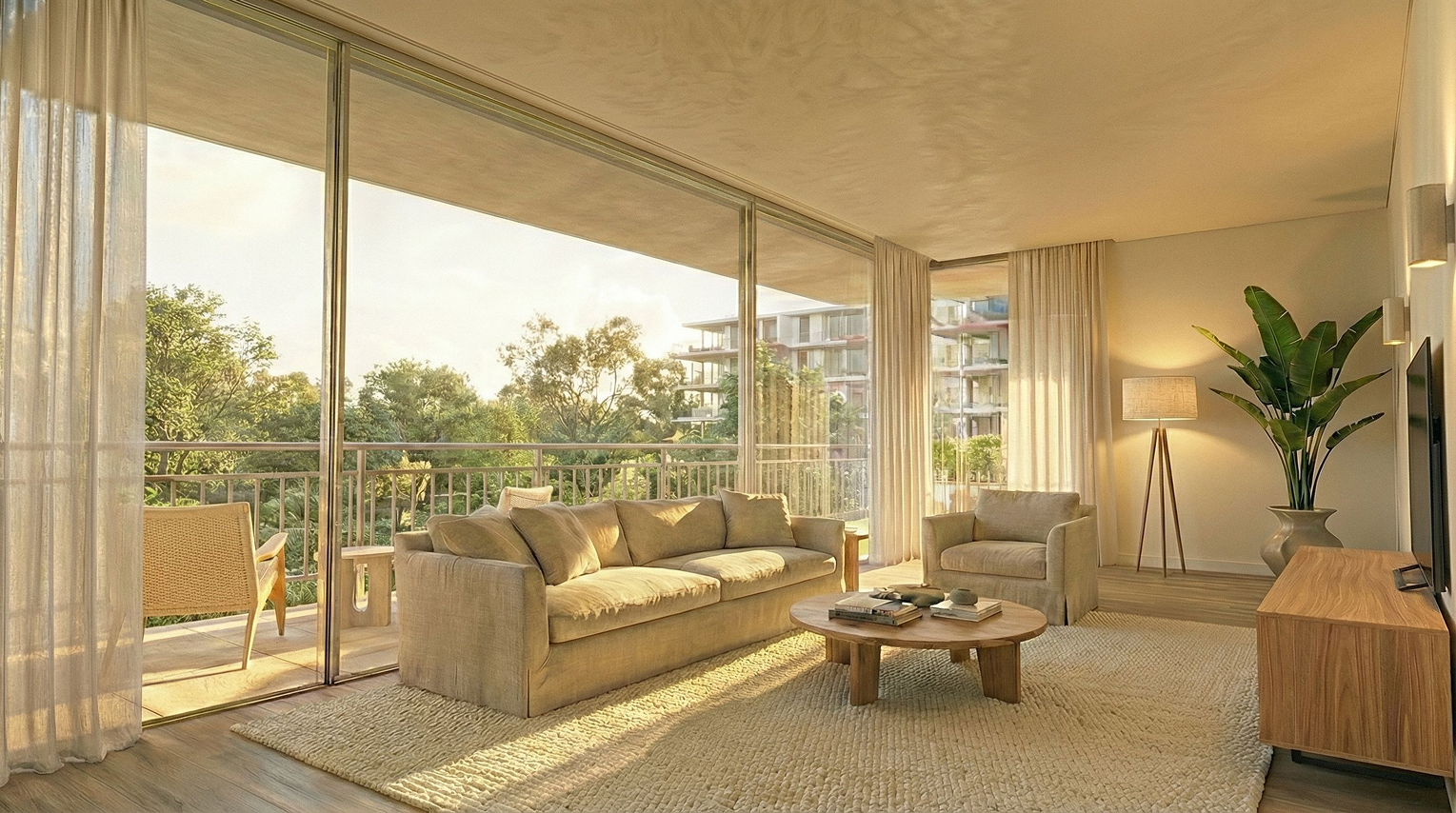
Looking further ahead, Barros is measured about what artificial intelligence will and won't change. He sees it as a capability amplifier, something that extends what architects can achieve, without replacing the thinking that makes that achievement possible.
"If you don't know what you want to achieve," he says, "you just generate garbage."
The frustration he sees among younger architects isn't with the technology itself. It's with the assumption that the tool can substitute for intent. Good results, he argues, require knowing what a good result looks like in the first place.
"Creativity is something AI cannot do," he says. "We need to stay focused, stay alert, keep learning — and ask the difficult questions that make the tool evolve."
For a studio that has spent thirty years designing within constraint, the bar for any new tool is simple. "It needs to follow the idea," Barros says. "Otherwise it doesn't work."