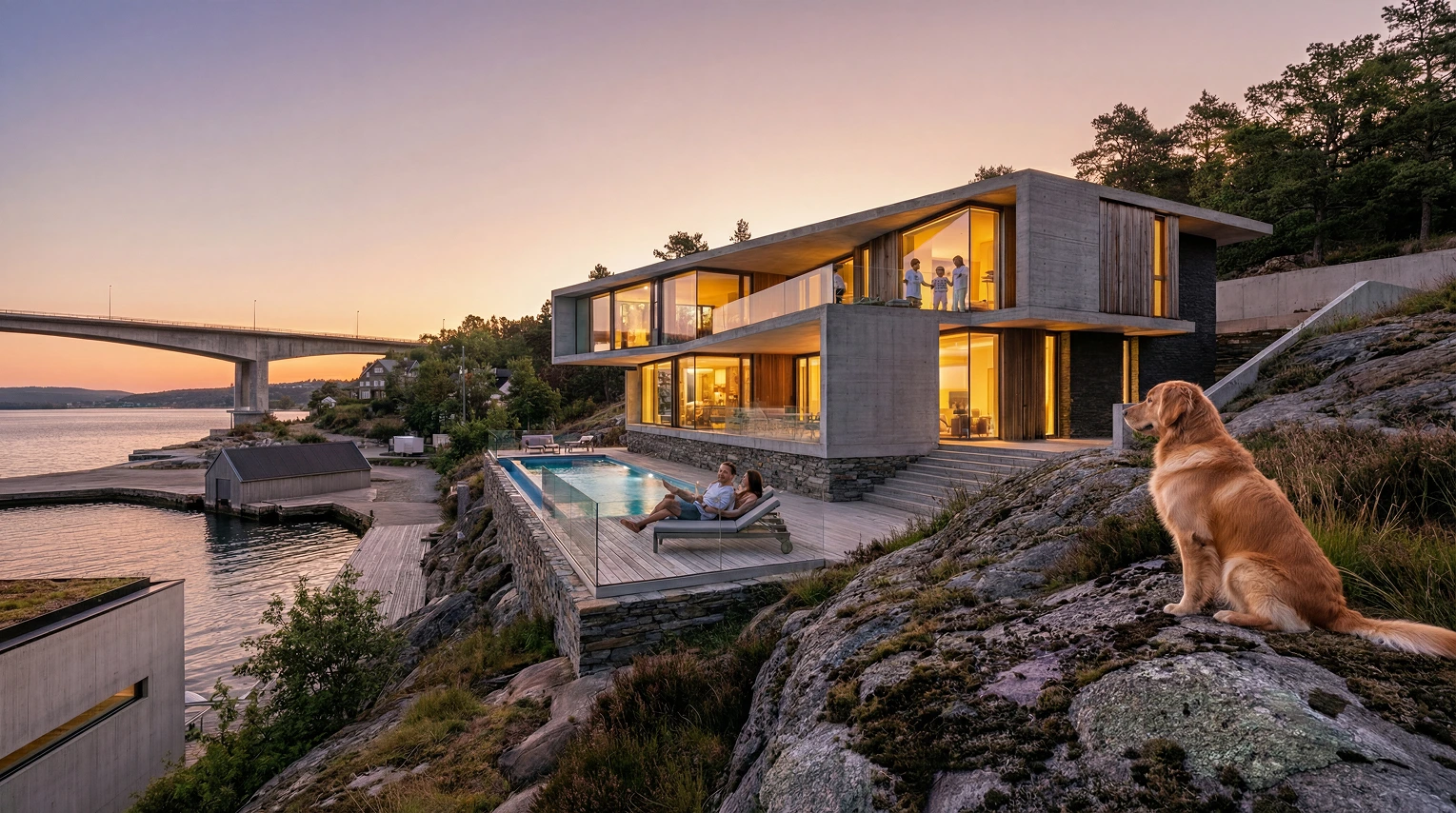
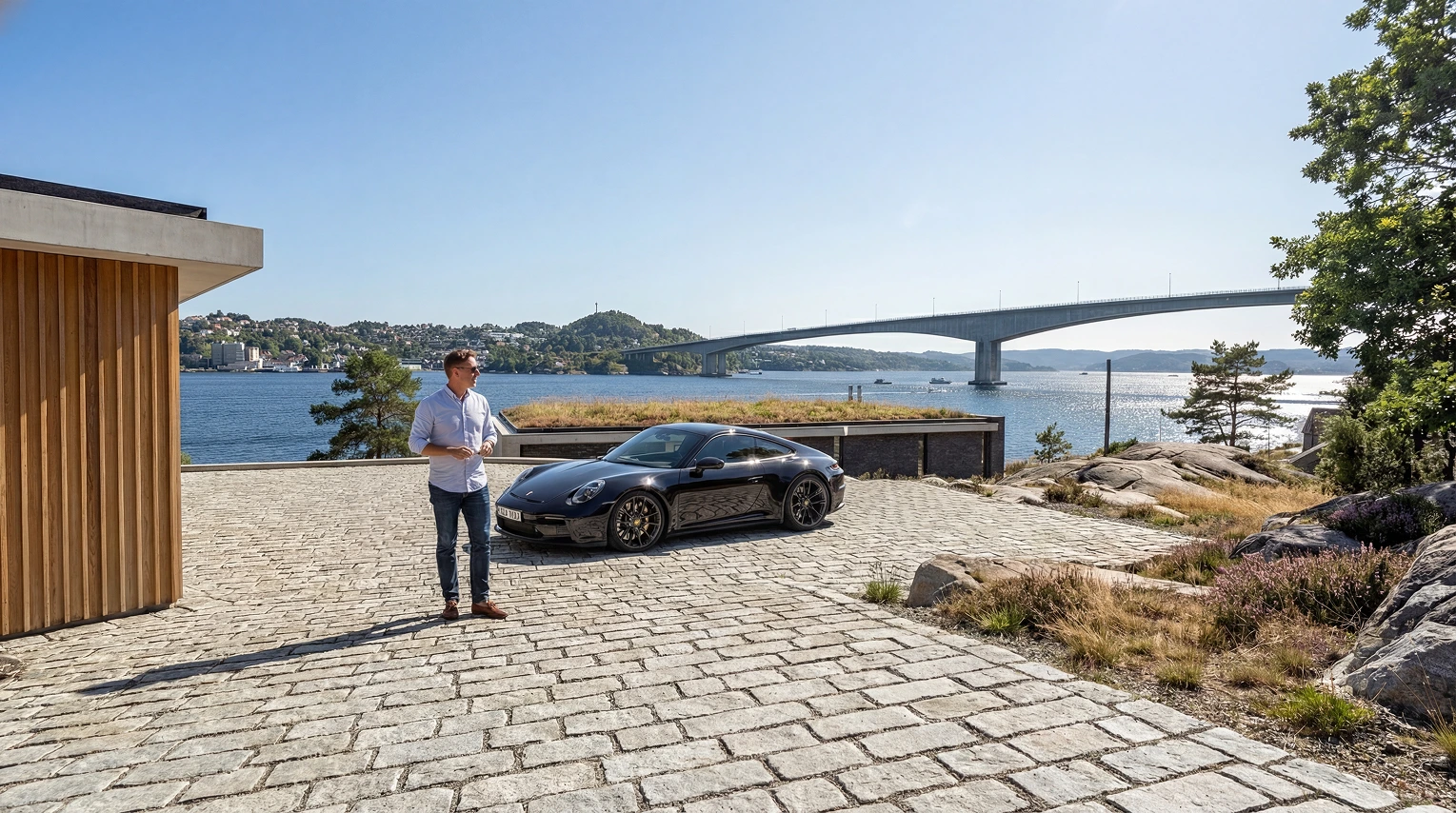
Marius Egeland’s workflow reflects a growing shift in residential architecture, where visualization is moving beyond final presentation and becoming a tool for exploring how buildings relate to landscape earlier in the design process.
.avif)
Marius Egeland runs a six-person architecture studio (Marius Egeland Architects) in Lillesand, on Norway’s southern coast. The practice focuses primarily on high-end homes and “hyttes”, projects that are shaped heavily by terrain, climate, and views.
Egeland describes his architecture as modern, influenced by American mid-century residential design from the 1950s and 60s. Each project, however, begins with the site and client conditions rather than a fixed stylistic formula.
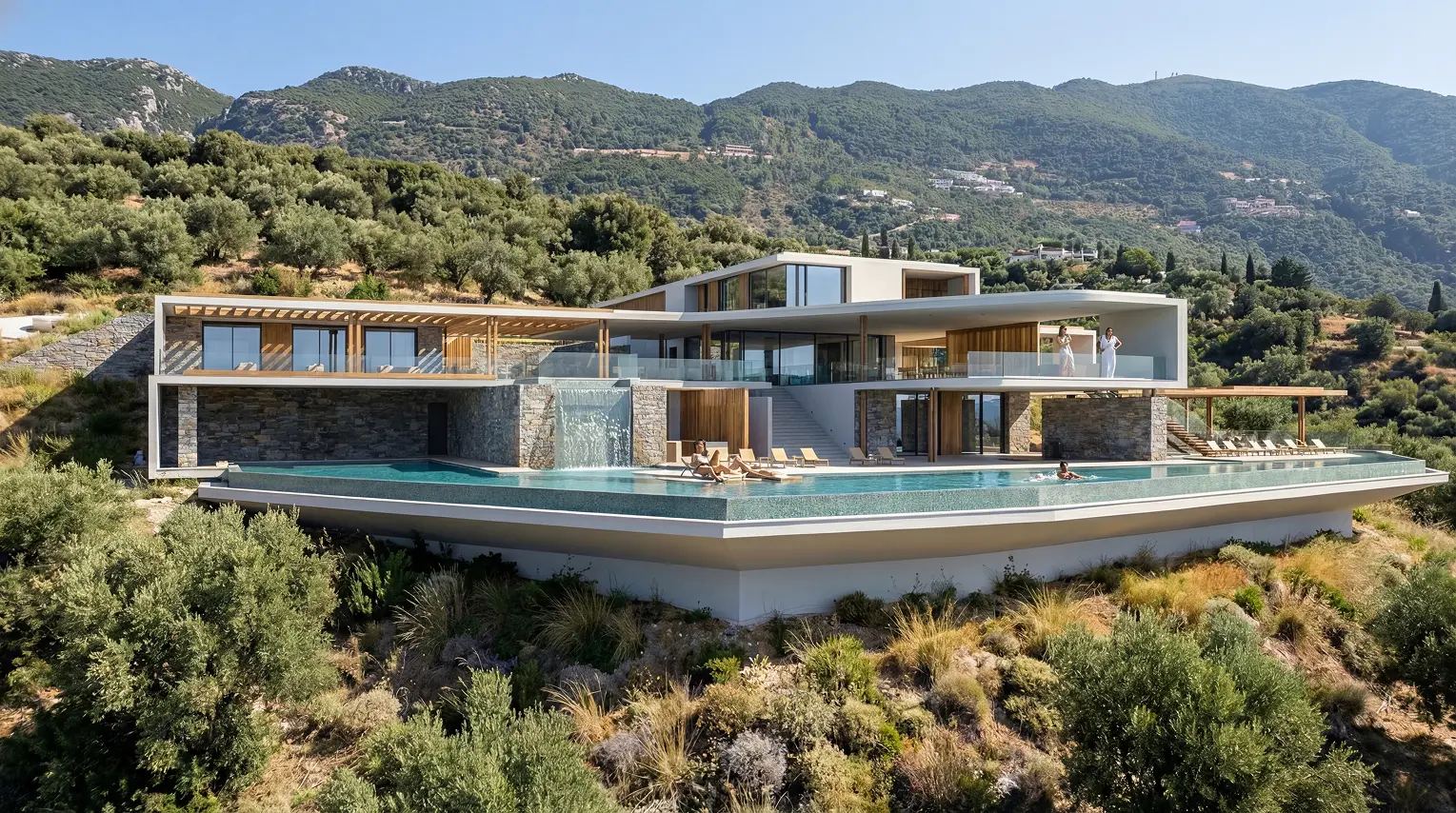
After graduating from NTNU in Trondheim in 2002, Egeland began working on rehabilitation projects, restoring older buildings across southern Norway. A few years later, he joined six colleagues to establish A7 Architects, helping grow the practice into one of the region’s larger firms before it was later acquired by Ramboll.
At Ramboll, Egeland worked on large commercial buildings and housing developments while taking on increasing responsibility for 3D workflows and technical visualization tools across multidisciplinary teams. Despite the scale of the projects, he continued designing small residential commissions on the side, particularly cabins, which remained his primary interest.
“I always loved working with houses and cabins,” he says. “That’s where my passion was.”
Egeland later transitioned to leading his own studio, focusing primarily on residential architecture shaped by landscape and client lifestyle.
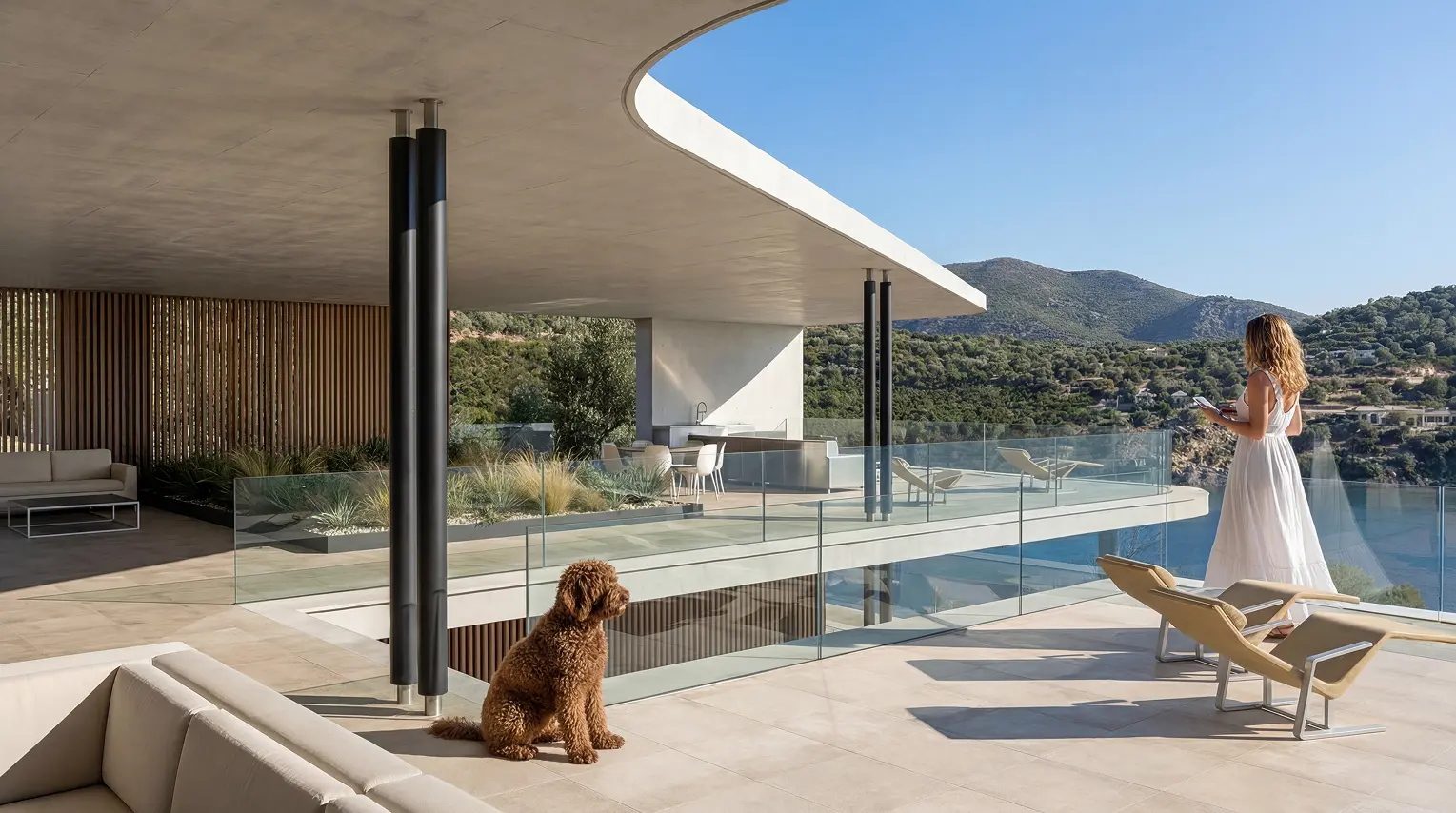
For years, Egeland relied on Twinmotion to produce renderings and project videos. The software formed the backbone of his visualization workflow, but it did not always capture the atmosphere he wanted to present to clients.
“It’s very good but it lacks that little extra,” he says.
Residential projects in Norway often depend on landscape context. Fully modeling mountains, coastline, and terrain can slow down design software and reduce flexibility during early stages. That limitation affected how quickly Marius could test viewpoints and explain spatial decisions to clients.
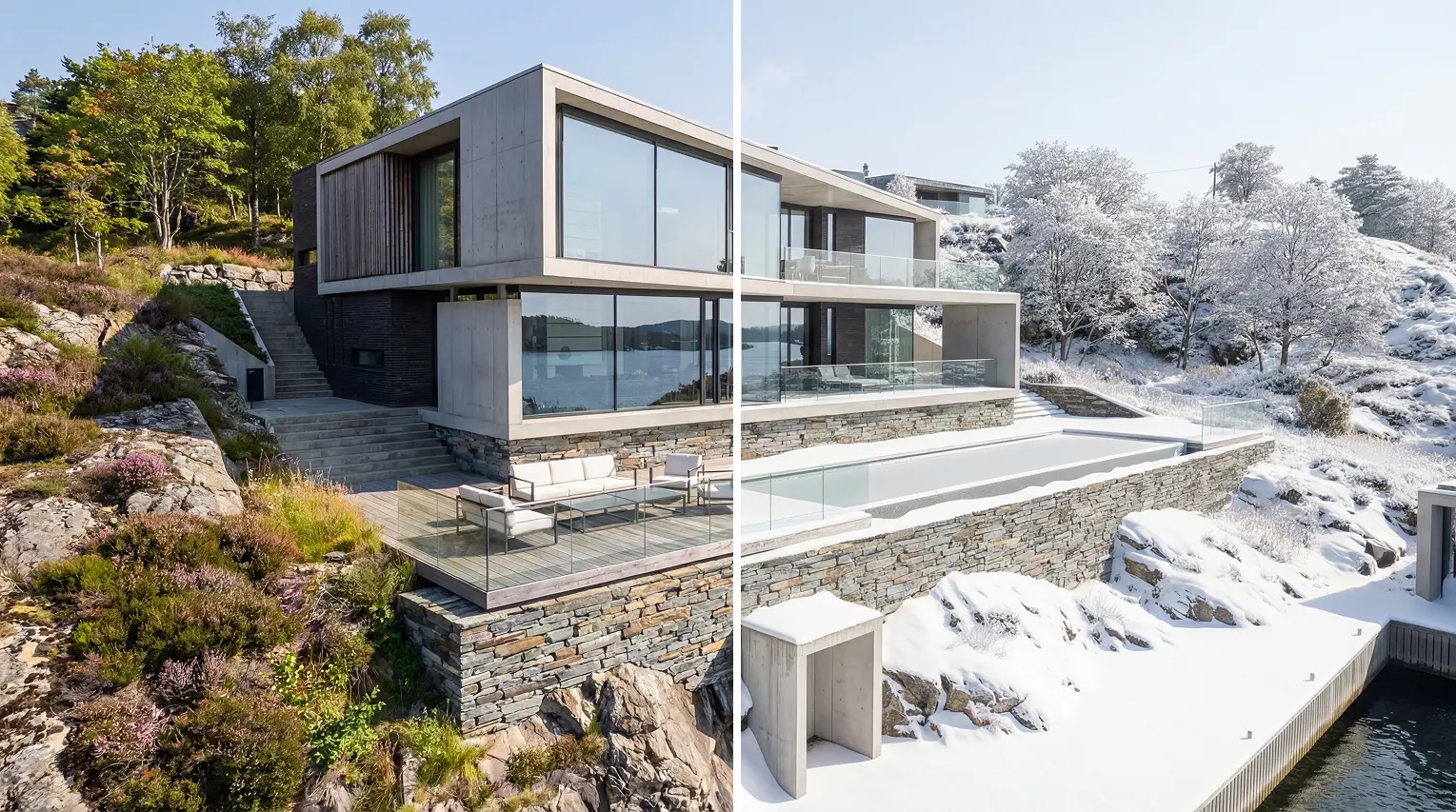
Marius first encountered Visoid through Instagram while researching AI-based visualization tools. He tested it briefly before returning to it later when he needed higher quality imagery.
“I needed something to make better 3Ds,” he says.
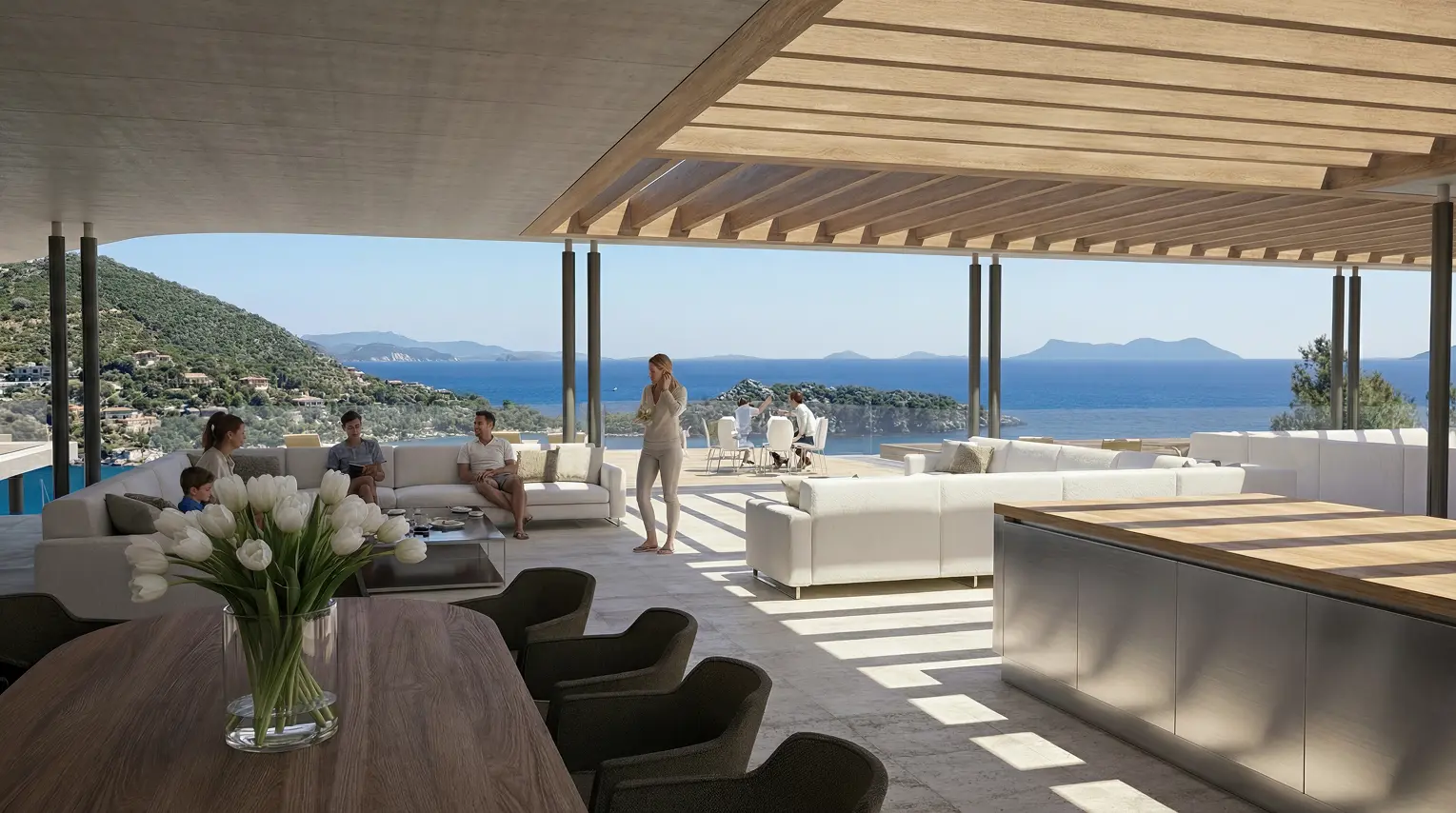
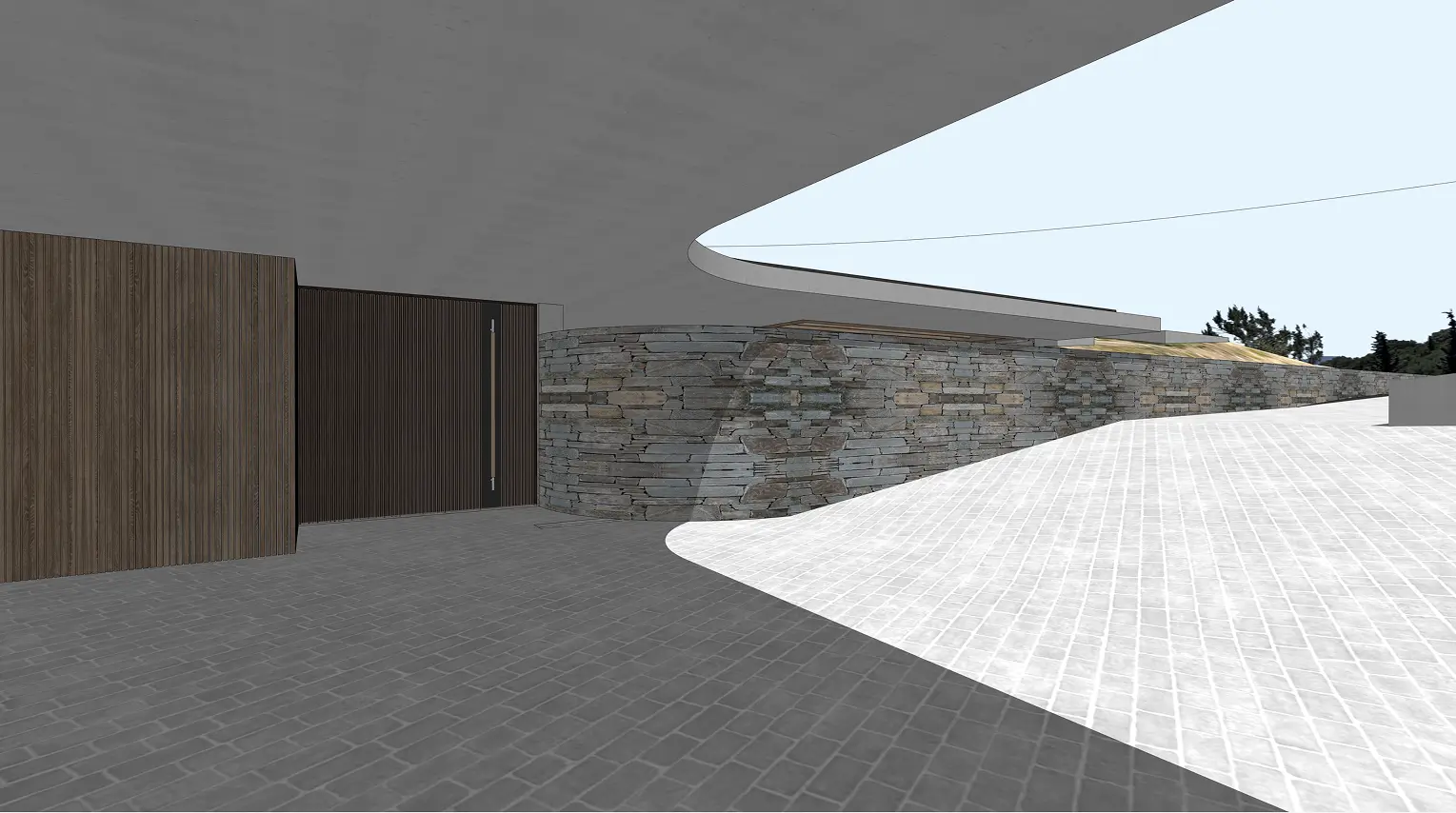
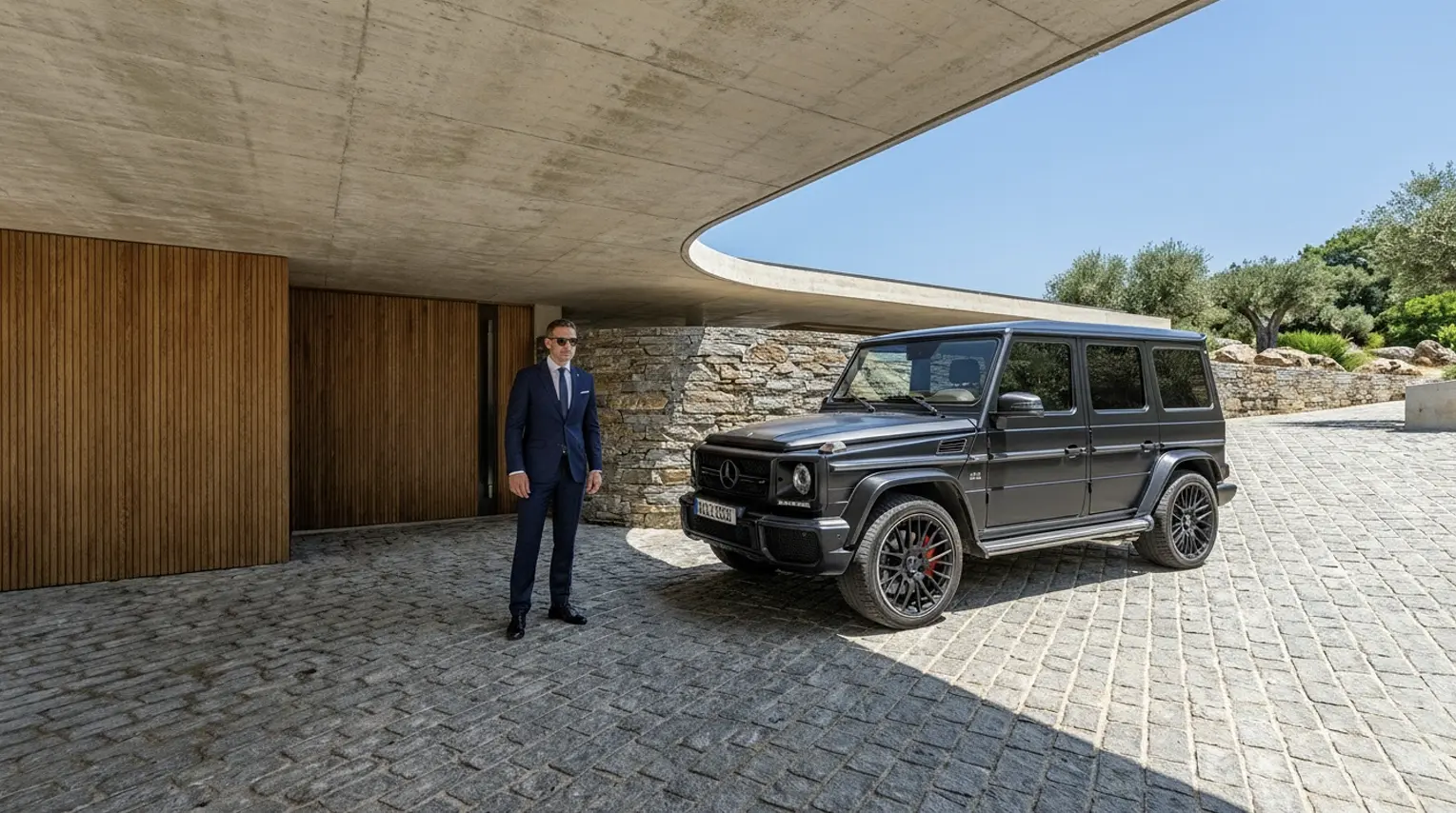
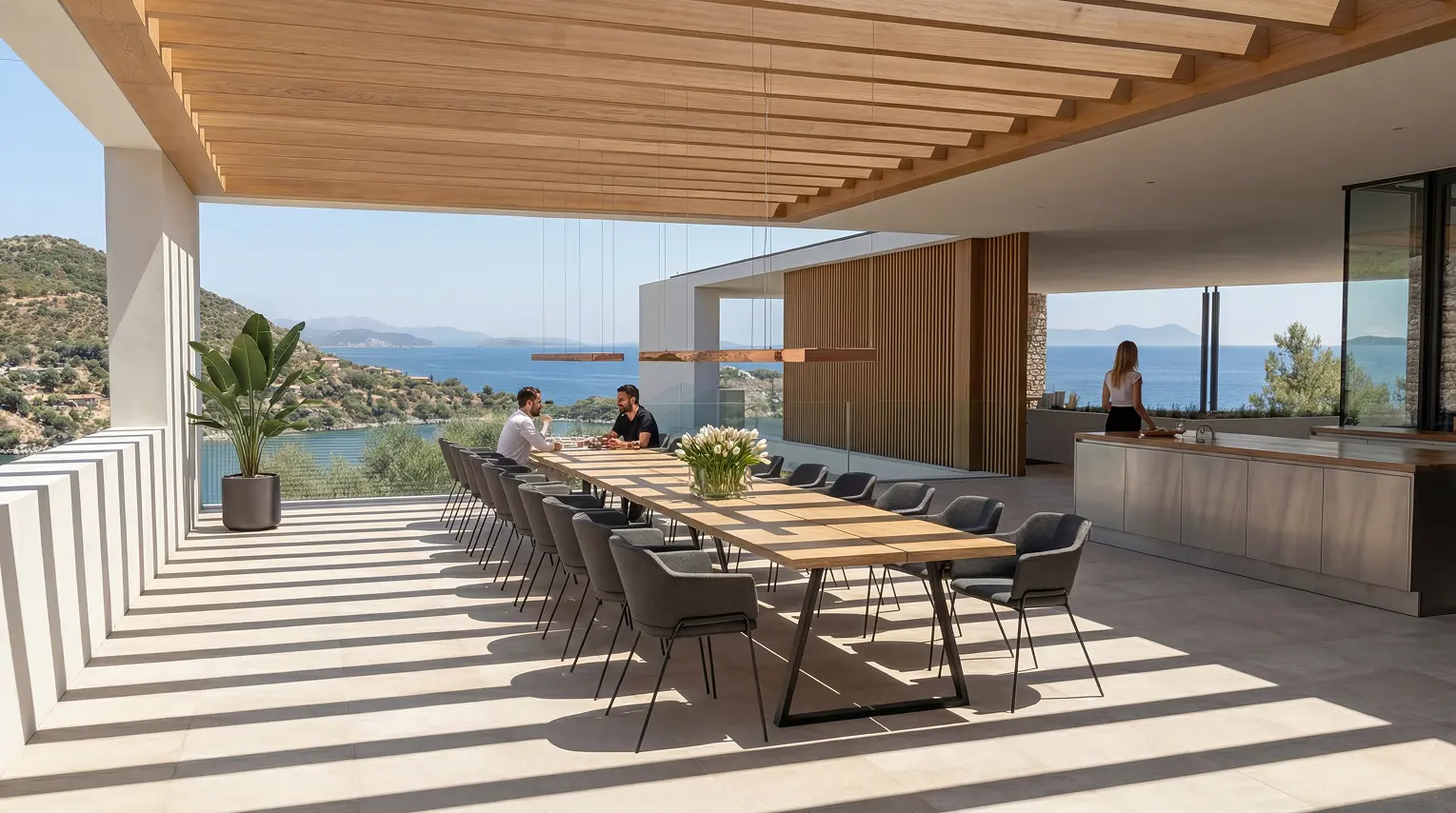
What convinced him to integrate the platform was its ability to work from screenshots of his existing 3D models. This allowed him to generate realistic images while keeping the original architectural design intact.
“You have to be able to show the project you designed,” he says.
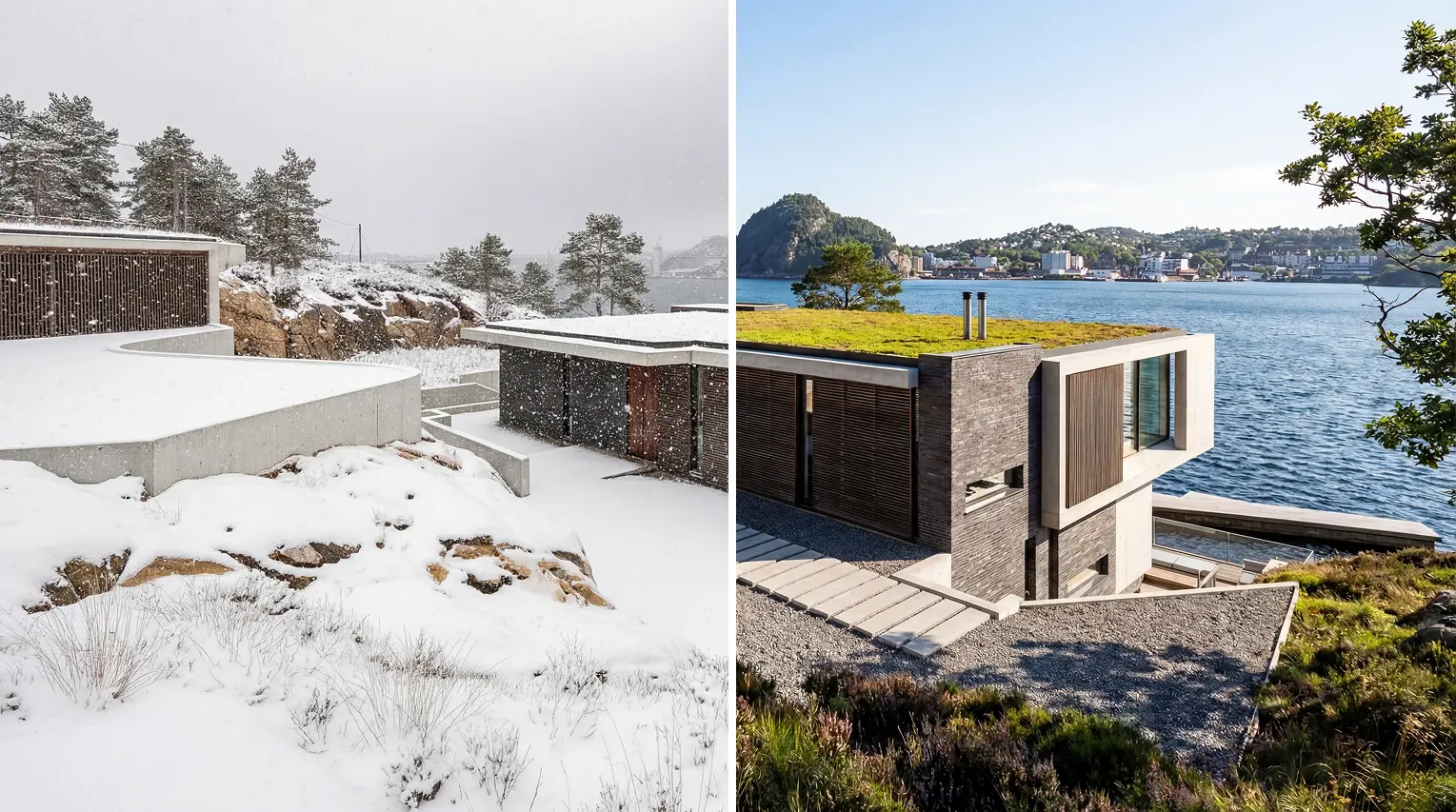
Marius now uses visualisations both during design development and client presentations. On a current house project in Lofoten, he uses visualization to test how the building interacts with expansive coastal terrain.
“I use it to test early on which landscape views you have to keep in the project,” he says.
He often combines screenshots from his 3D model with site imagery or mapping data to create context-rich visuals. These images are later used when presenting sketch proposals to clients. Egeland also produces project videos as part of nearly every presentation.
“When I deliver the sketch project, that’s when they see it,” he says.
Personal details are occasionally added to help clients relate to proposals. Livestock, vehicles, or pets can appear in renderings when they reflect the client’s lifestyle.
“These small things… it makes a difference,” he says.
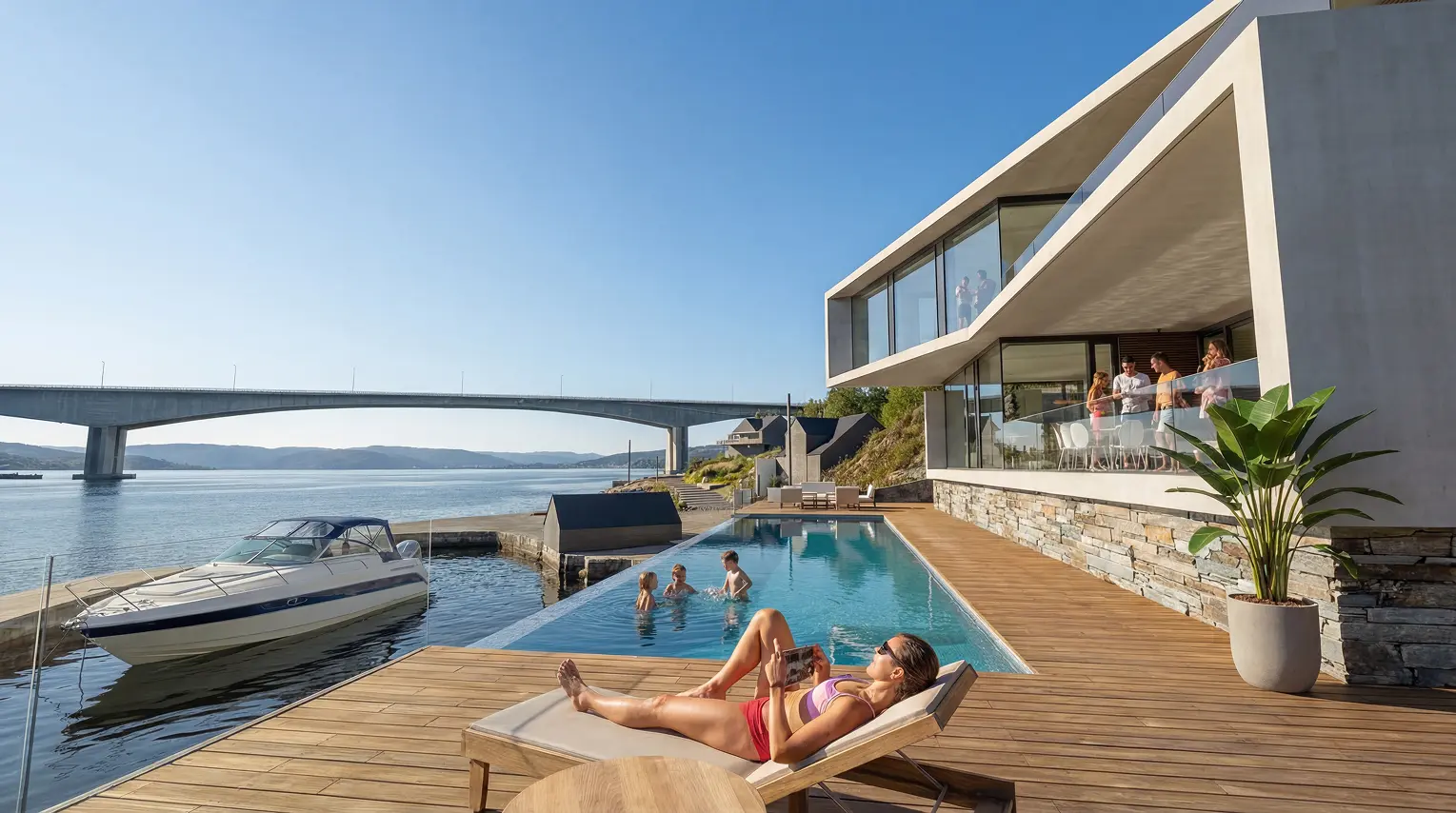
Marius views AI visualization as a support tool rather than a design generator. The platform helps him test ideas quickly and communicate spatial qualities more clearly.
“It’s fun to play with,” he says. “It makes it easy to do new things.”
Working with cloud-based visualization has also reduced reliance on heavy hardware setups, allowing Egeland to work more flexibly within a small studio structure.
In Marius’s workflow, visualization now operates as an iterative design tool rather than a final production step. Images are produced earlier, tested more frequently, and used to strengthen dialogue between architect and client.