David Jackson-Crane’s workflow reflects a growing shift in small architectural practices, where visualization is moving beyond final presentation and becoming an active tool for testing material expression, proportion, and design intent earlier in the process.

David Jackson-Crane runs a small architectural practice in Nottingham Jackson-Crane Architecture, focusing on bespoke residential projects across the UK. His work draws from modernist influences, often expressed through restrained forms, flat roofs, and carefully controlled material palettes.
Working largely independently, David remains closely involved in every stage of the design process, from early concept development through technical detailing and construction follow up.
Like many small studios, visualization traditionally sat toward the end of his workflow, used primarily to present finished designs rather than to shape them.

Earlier, David’s projects were documented through in-house models and working renders produced through Archicad, SketchUp, and Twinmotion. These visuals were effective for testing massing and proportion, but fully photorealistic imagery typically required outsourcing to external render specialists once designs were largely finalized.
“The only way I could get to that photorealistic stage was to outsource it,” Jackson-Crane explains. “And obviously there’s a cost that comes with that. Really good renders don’t come cheap.”
For a small practice, outsourcing introduced both financial pressure and workflow limitations. In many cases, clients chose not to invest in final renders, leaving David’s portfolio reliant on earlier-stage visuals that did not fully represent the architectural intent of the work.

David initially approached AI visualization cautiously. Much of what he had seen felt disconnected from real projects, often producing imagery that lacked authenticity or failed to reflect local context.
That perception shifted when he began experimenting with Visoid, introducing it into his existing modeling workflow rather than replacing it.
“I was quite blown away by the results,” he says. “For the time I’d spent, the quality was really impressive.”
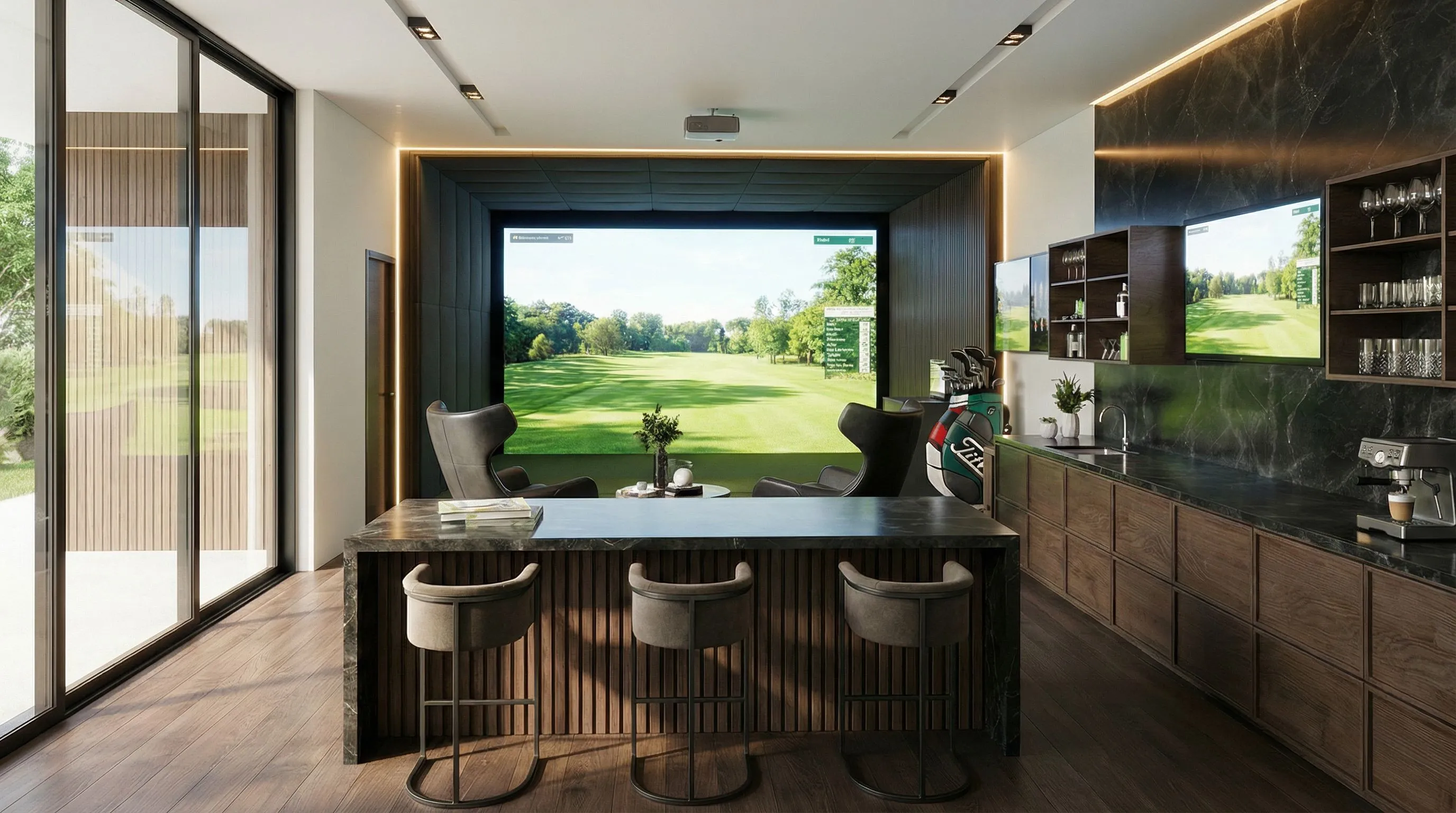
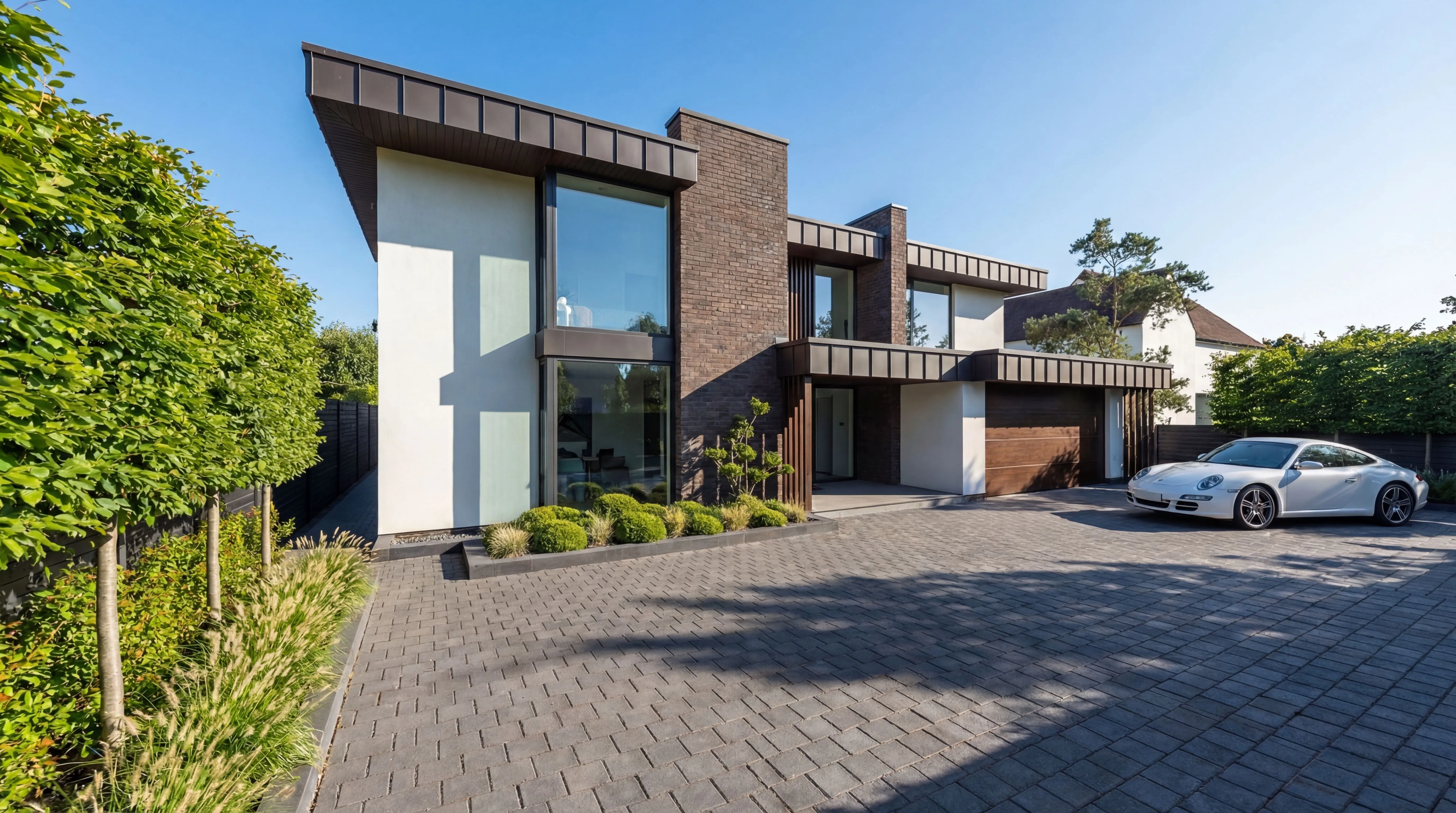
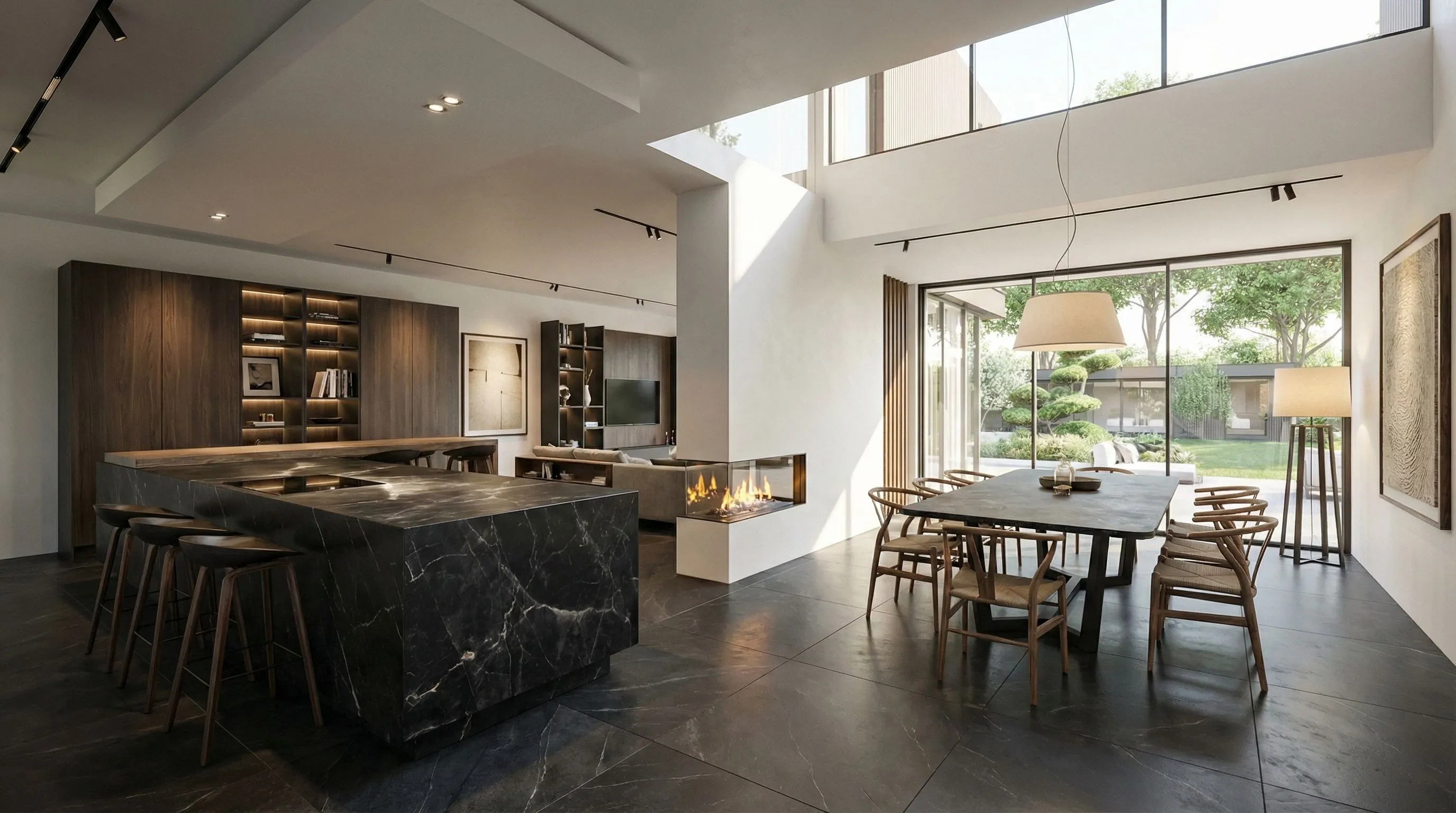
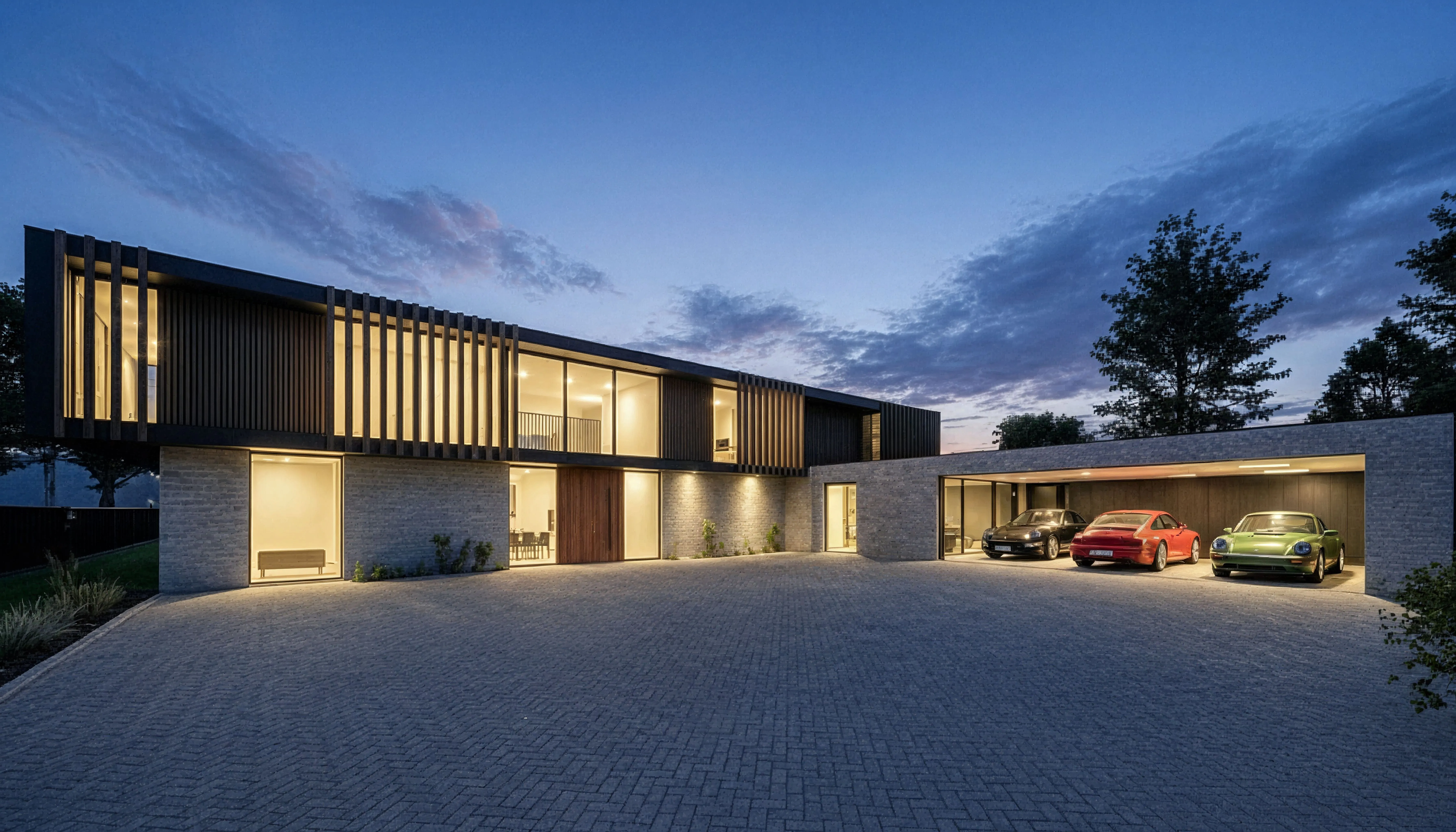
Using Visoid, David began revisiting archived projects, working directly from existing SketchUp models and previously developed views to produce more resolved, photorealistic imagery. Instead of rebuilding projects from scratch, original geometry and composition remained intact while material expression, lighting, and context were refined.
“I’ve been able to go back into my archive of projects and almost redo some of those,” he says.
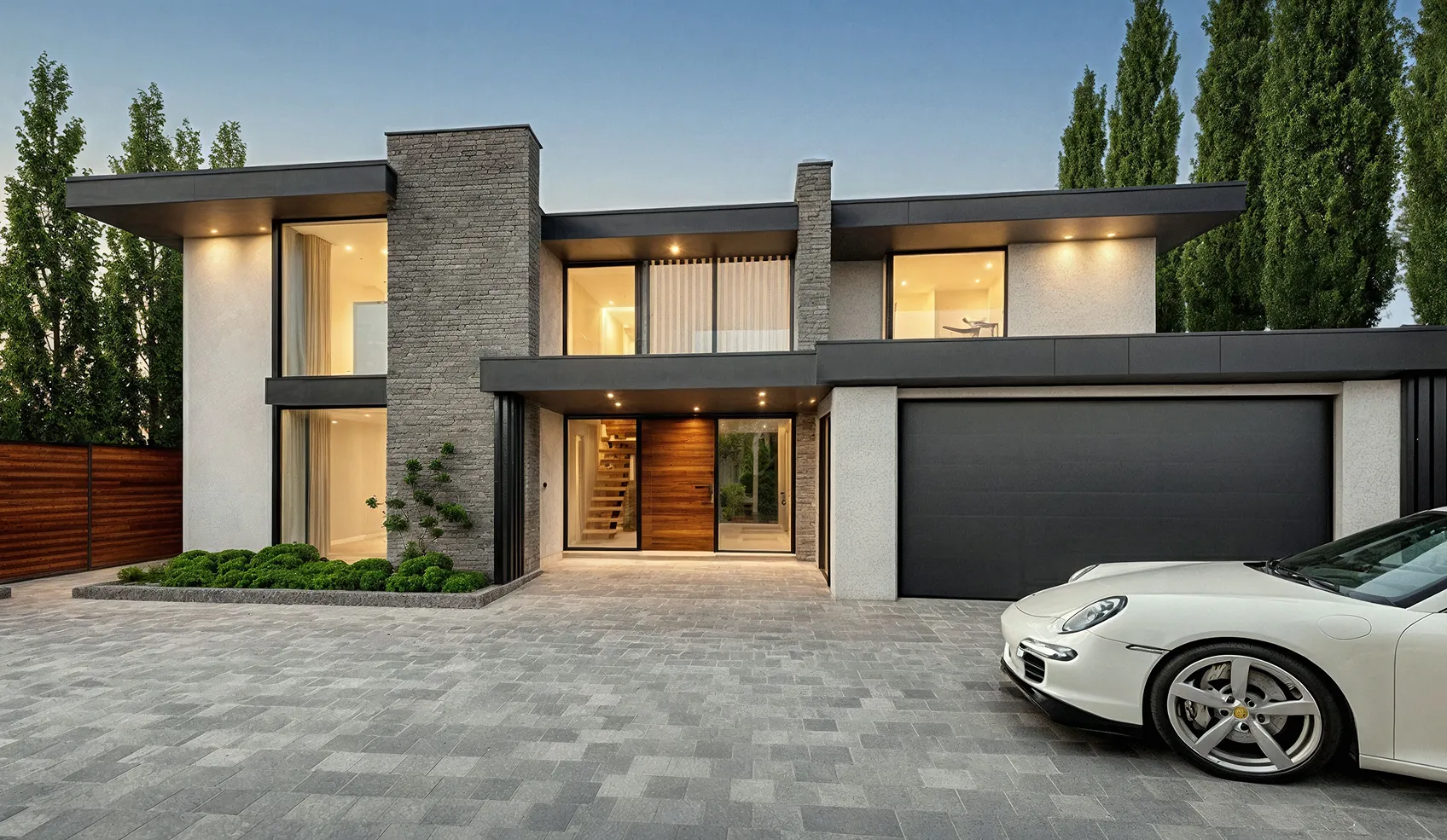
Reworking past projects quickly expanded the studio’s portfolio, allowing completed work to be presented with greater clarity and consistency. At the same time, Visoid began influencing live projects, shifting visualization earlier into the design process.
Concept stage models, once used primarily for spatial testing, could now be translated into realistic visual studies while design decisions remained open. This allowed David to test facade articulation, glazing ratios, and material relationships earlier, supporting more informed decision-making during design development.
“The photorealistic renders would come more at the end,” he says. “Now I’ve been able to bring that forward.”
Early visualization also reduced reliance on outsourced rendering, allowing visual feedback to be generated quickly and integrated directly into design conversations with clients and collaborators.
“It means we can test things properly without waiting on anyone else or adding extra cost for the client,” he explains.
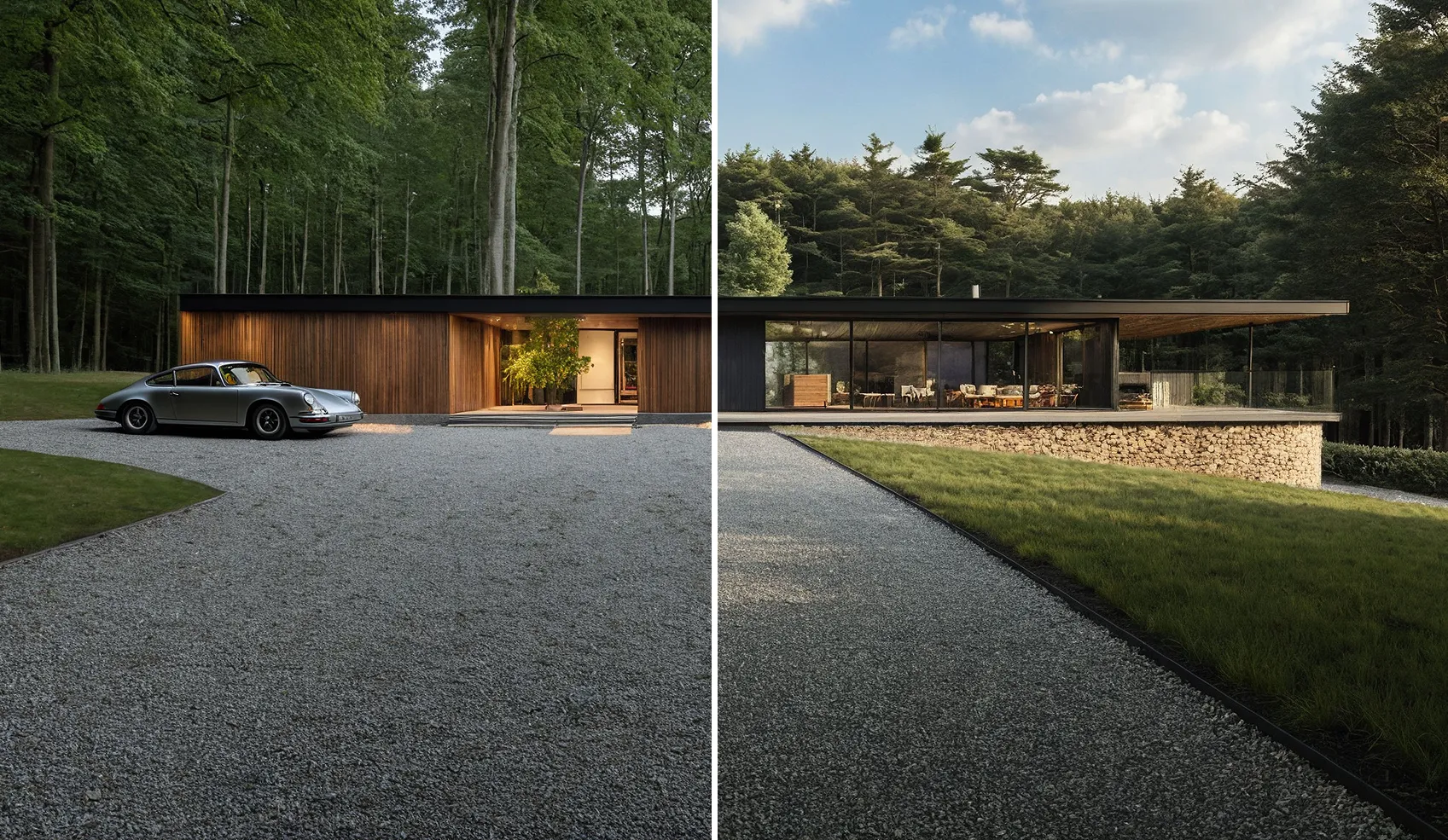
Despite these workflow changes, David continues to see visualization as a supporting tool rather than a design driver. Core architectural decisions remain grounded in proportion, composition, and site response, with visualization helping clarify and communicate those ideas as projects evolve.
He sees this shift as part of a broader evolution within architectural practice, where visualization moves from final presentation toward active participation in design thinking.
“I don’t think AI should be designing buildings,” he says. “It should help communicate design better.”
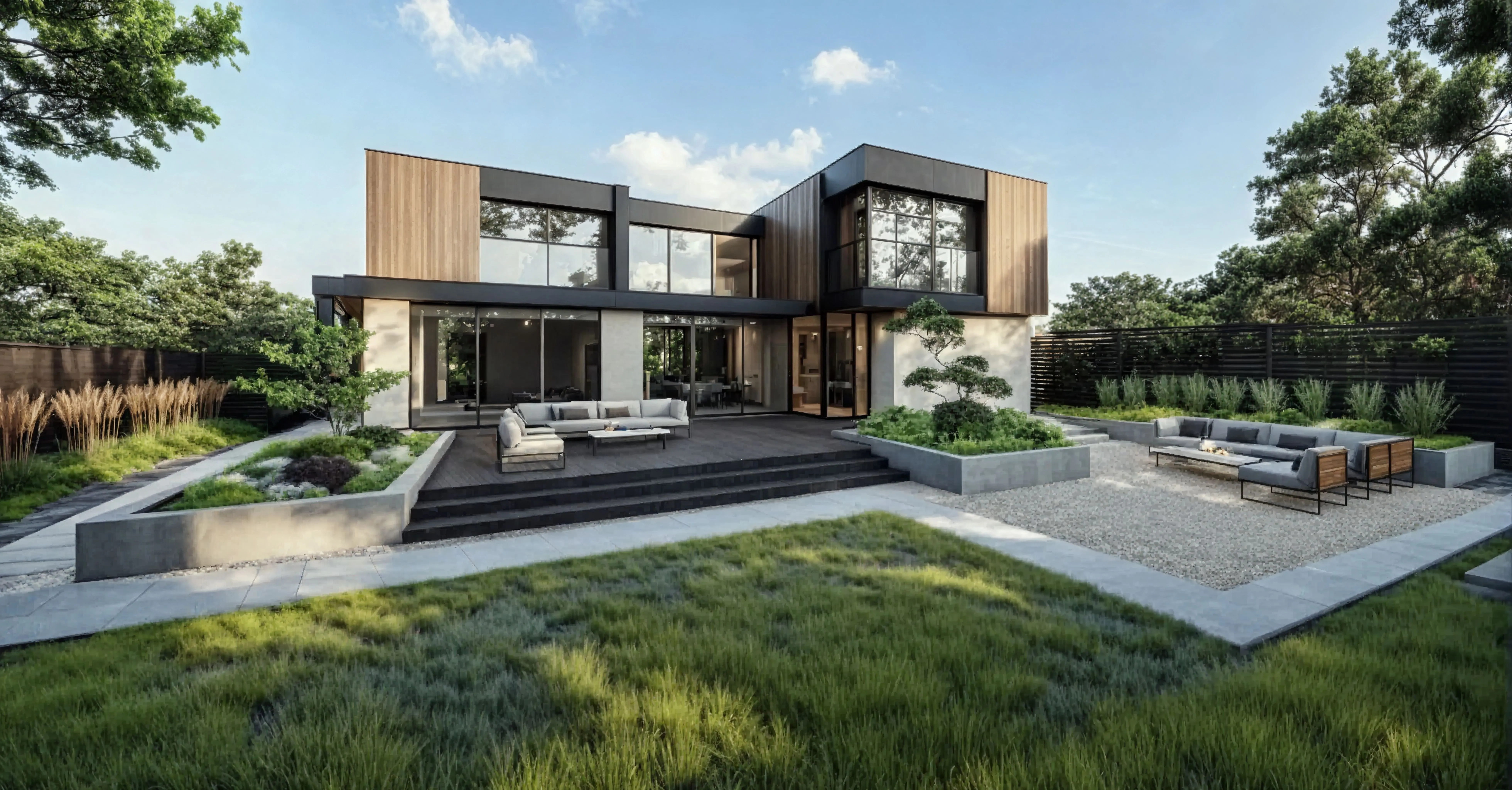
The integration of Visoid into David’s practice reflects a subtle but significant repositioning of visualization. Instead of appearing only at the end of projects, it now supports both representation and decision-making, allowing architectural ideas to be tested and refined with greater clarity as projects develop.